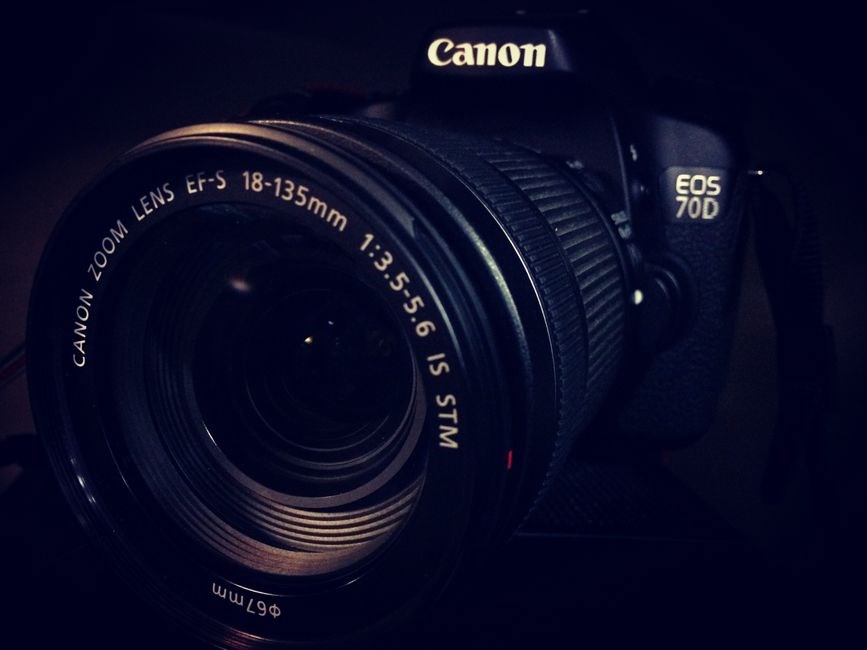
canon 70d instruction manual
Welcome to the Canon 70D Instruction Manual. This guide provides step-by-step instructions for setup, operation, and maintenance, ensuring you maximize performance and capture stunning images with confidence and ease. Follow these steps to master your camera. Enjoy shooting!!.
Discover the Canon 70D’s powerful blend of speed, image quality, and intuitive controls. This manual guides you through everything from initial setup to advanced techniques, ensuring you capture every moment with confidence and creativity. Explore its versatile modes settings.!!
1.1 Overview of the Canon 70D
The 70D’s dual‑card bays allow backup or sequential recording, boosting workflow flexibility. Its 20.2‑megapixel APS‑C sensor, it delivers sharp, high images across a wide dynamic range. Its DIGIC 6 image processor ensures fast processing, enabling continuous shooting at up to 7 frames per second and responsive autofocus performance.
Its 20.2‑megapixel APS‑C sensor, it delivers sharp, high images across a wide dynamic range. Its DIGIC 6 image processor ensures fast processing, enabling continuous shooting at up to 7 frames per second and responsive autofocus performance.
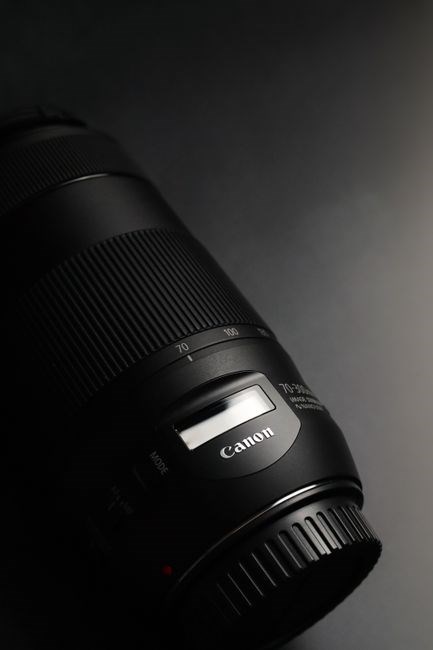
Its ergonomic grip and intuitive buttons make shooting comfortable, while the 3‑inch vari‑angle LCD allows shooting from any angle.
The 70D’s dual‑card design supports backup, enhancing data safety daily for photographers!!
Its grip and buttons make shooting very comfortable, while the 3‑inch vari‑angle LCD allows shooting from any angle. Enjoy Smile.
1.2 Key Features and Specifications
The Canon 70D features a 20.2‑megapixel APS‑C CMOS sensor paired with the DIGIC 6 processor, delivering sharp images and quick processing. Its 7‑frame‑per‑second continuous shooting and 45‑point autofocus system excel in action and sports photography. Dual‑card slots (CFexpress/SD) allow simultaneous backup or sequential recording, enhancing workflow. The 3‑inch vari‑angle TFT LCD, 3‑point EVF, and 3‑point optical viewfinder provide versatile framing. Built‑in Wi‑Fi and NFC enable image transfer to mobile devices. Weather‑sealing and robust construction suit outdoor use. Battery life reaches up to 500 shots per charge (CIPA). 1080p Full HD video captures motion, and Wi‑Fi and NFC allow quick sharing to smartphones. Ergonomic grip and customizable buttons make shooting comfortable, while weather‑sealing protects against dust and moisture. Battery life up to 500 shots per charge supports extended sessions without recharging and in bright light!!!

Getting Started

Begin by inspecting the package, noting the included accessories: body, battery, charger, memory card, and user guide. Carefully remove protective covers, insert the battery, and attach the memory card. Power on, set date/time, and select language to start using your Canon 70D
2.1 Unboxing and Packaging
When you receive your Canon 70D, the first step is to carefully open the sealed package. The outer cardboard box is labeled with the model name, serial number, and a brief list of contents. Inside, a protective foam insert holds the camera body, a lithium‑ion battery, a charger, a compact memory card, and a quick‑start guide. The camera is wrapped in a soft, moisture‑resistant film that protects it from scratches and dust during shipping. The battery is secured in a plastic cradle, and the charger is attached to the side of the box with a small plastic clip. The memory card is placed in a dedicated slot, and a small card holder indicates the card type and capacity. The quick‑start guide is folded in half and placed in a clear plastic sleeve so you can read it without opening the box. The packaging also includes a small instruction sheet that explains how to remove the protective covers from the camera, battery, and lens. It also lists safety warnings, such as keeping the camera out of direct sunlight and avoiding exposure to extreme temperatures. Finally, the box contains a small, printed warranty card that you should keep in a safe place. By following these steps, you ensure that all components are accounted for and ready for initial setup.
The manual also offers reference charts for exposure settings, lens attachments, and firmware updates, moreto troubleshoot and upgrade efficiently.
2.2 Battery and Memory Card Installation
After inserting the battery, press the power button to check battery level indicator on LCD scree; a low battery icon will prompt you to charge now A fully charged battery will display a green indicator and a full bar on the screen When inserting the SD card, ensure the card is inserted in the correct orientation; the gold contacts should align with the contacts inside the camera The camera will automatically format the card if it is new or if the card is not recognized The camera supports both SDHC and SDXC cards up to 256 GB The memory card slot is located on the side of the camera, and the slot cover can be opened by sliding the latch upward When the card is inserted, the cover will lock automatically. If the camera does not recognize the card, try re‑inserting it or formatting it in the camera menu The battery compartment is located on the bottom of the camera; to open it, slide the latch to the right and lift the cover The camera’s battery life varies depending on shooting mode; using the LCD screen’s battery life indicator can help you plan when to swap batteries The camera’s memory card slot supports hot‑swap, allowing you to change cards without turning off the camera When you finish shooting, turn off the camera, remove the battery and SD card, and store them in a dry, cool place Proper storage of the battery and memory card will prolong their lifespan and ensure reliable performance If you shoot video, using grip for battery in life

Basic Operation
Power on, select mode, adjust exposure, preview via viewfinder or LCD, half‑press to focus, fully to shoot. Quick‑access buttons toggle settings. Use menu for settings The camera’s menu offers customization, while quick‑access buttons give instant control for rapid shootingNow
3.1 Powering On and Off
To power the Canon 70D, insert a fully charged battery and slide the power switch on the left side of the body. A small LED will light, confirming the camera is ready. If the camera does not respond, ensure the battery contacts are clean and the battery is seated firmly. To turn the camera off, slide the switch to OFF; the camera will enter low‑power standby, conserving battery life. For added safety, enable the Power‑On/Off Lock via the menu: Menu → Setup → Power‑On/Off Lock → Enable. This requires pressing the Menu button twice to power on or off, preventing accidental activation. The LCD will display the current mode and status. You can also use the Menu button to access the Power‑On/Off submenu for additional options such as Auto Power‑Off. Setting Auto Power‑Off to 30 minutes will automatically turn the camera off after inactivity. When you finish shooting, remember to turn the camera off to preserve battery life. If you need to reset the camera to factory settings, go to Menu → Setup → Reset → Reset All Settings. This will restore default values but will not affect your stored images. The camera also offers a quick mode that auto selects optimal settings for shooting very situations, making it for beginners and professionals alike. Additionally, the camera’s dual‑card slot allows simultaneous backup, ensuring you never lose a shot even if one card fails. Remember to keep the battery fully charged for uninterrupted shooting sessions. —now!!??
3.2 Menu Navigation and Settings
Accessing the Canon 70D’s extensive menu system is straightforward once you understand the button layout. The Menu button, located on the top left of the back panel, opens the main menu. Use the multi‑function dial to scroll through categories, and press the center button to enter sub‑menus. The Quick Menu, accessed by pressing the Menu button twice, provides instant access to frequently used settings such as ISO, white balance, and exposure compensation. For advanced adjustments, navigate to the “Setup” tab, where you can configure camera power‑on behavior, display settings, and file format options. The “Shooting” tab houses image quality, resolution, and RAW/JPEG balance. To change the autofocus mode, go to the “AF” sub‑menu and select One‑Shot, Servo, or Manual. The “Drive” section allows you to set continuous shooting speed and self‑timer intervals. Each menu item displays a brief description and current value; press the “+” or “–” buttons to modify settings. To revert to factory defaults, choose “Reset” under the “Setup” tab and confirm. Remember to lock the menu to prevent accidental changes by selecting “Menu Lock” in the “Setup” menu. This feature is especially useful during live‑action shooting. The camera’s menu system also supports custom button assignments; navigate to “Custom Functions” and map your preferred settings to the dedicated buttons on the back. For quick access to the histogram, press the “i” button, which displays real‑time exposure data. Finally, the “Help” section offers on‑screen guidance for each menu item, ensuring you can troubleshoot and learn settings on the fly. By mastering menu navigation, you’ll unlock the full creative potential of the Canon 70D, tailoring every shot to your exact specifications.
Tip: The camera’s “Custom Function” menu allows you to assign the “+” and “–” buttons to quick‑adjust functions like ISO or shutter speed, saving time during fast‑moving shoots. Additionally, the “Display” submenu lets you toggle the LCD’s brightness, timer, and image playback options, ensuring optimal visibility in various lighting conditions. Use the “Info” button to view real‑time shooting data, and the “Setup” menu’s “Language” option to switch between supported languages for easier navigation. Use presets for quick recall
Advanced Features
The Canon 70D features 45‑point autofocus, face‑detection, and subject‑tracking. Dual‑pixel CMOS AF offers smooth live‑view focus. Video modes include 1080p at 60fps, 4K preview, and manual exposure. Custom buttons and C‑F functions improve workflow.Adds 4‑channel audio. plus!
4.1 Autofocus and Metering Modes
The Canon 70D offers a versatile autofocus system with 45 selectable points, including a central cross‑type sensor for precise focus. Users can choose from One‑Shot, Servo, and Live‑View AF modes. One‑Shot locks focus on a single subject, Servo continuously tracks moving subjects, and Live‑View AF provides real‑time focus adjustment during video recording.
Metering is handled by a 3‑zone Evaluative meter, Center‑Weighted, and Spot options. Evaluative meter averages exposure across the frame, ideal for general scenes. Center‑Weighted focuses on the central area, useful for portraits. Spot meter measures a small area, perfect for high‑contrast lighting. The camera’s exposure compensation ranges from –3 to +3 EV in 1/3‑step increments.
To ensure optimal performance, keep the lens contacts clean and update firmware regularly. The autofocus system benefits from firmware updates that improve tracking algorithms and reduce focus lag. Use the built‑in “AF‑Assist” feature in low light to aid focus acquisition.
Advanced focus modes include Zone, One‑Shot, and Servo, each selectable via the AF Point Selection button. Zone mode locks focus on a pre‑defined area, ideal for sports. One‑Shot is best for portraits, while Servo tracks fast subjects. The camera also supports “C‑F” custom functions for quick access to preferred AF settings. Flex.???
4.2 Video Recording and Live View
The Canon 70D delivers high‑definition video capabilities, supporting Full HD 1080p at 60fps and 30fps, and HD 720p at 60fps. The camera’s dual‑pixel CMOS sensor provides smooth autofocus during recording, with a 3‑point focus system that can be locked manually or set to continuous tracking. Video resolution can be adjusted via the menu, and the 1/3‑stop exposure compensation offers fine control over brightness.
Live View mode activates the rear LCD, displaying a real‑time preview. The 3‑point focus grid and magnification function allow precise framing. Users can toggle between Live View and optical viewfinder, enabling quick composition changes. The camera supports 10‑bit 4:2:2 internal recording, and an external HDMI output allows for high‑quality capture on external recorders.
Audio can be recorded through the built‑in microphone or an external mic via the 3.5mm jack. The 70D also offers a 2‑second video delay for safety, and a 10‑second time‑lapse mode. For advanced users, the “Movie” menu provides options for white balance, ISO, and frame rate selection. The camera’s lightweight body and ergonomic grip make it ideal for handheld shooting.
The 70D’s dual‑pixel autofocus supports face‑detect AF, locking onto the subject’s face for sharp focus. Stabilization reduces blur, and the 3‑point focus assist light helps in low‑light. now
Maintenance & Troubleshooting
Keep the 70D clean: use a soft brush for the sensor, wipe the lens with microfiber, and store in a dry case. Check battery health, replace when needed. If the camera freezes, reset via menu or remove battery for 10s. Contact support for firmware updates. Keep lens clean 1‑2!!!.
5.1 Cleaning and Care Tips
Proper care of the Canon 70D ensures longevity and optimal performance. Begin by storing the camera in a cool, dry environment, avoiding direct sunlight and extreme temperatures. Use a protective case when transporting. Keep the lens cap on when not shooting, and clean the lens with a dedicated microfiber cloth and appropriate lens cleaner. For sensor cleaning, use a sensor cleaning kit and follow the manufacturer’s instructions carefully; never touch the sensor directly. Dust the exterior with a soft brush or compressed air, and wipe the LCD screen with a clean, dry cloth. Ensure the battery compartment is free of corrosion by inspecting the contacts regularly; if corrosion appears, gently clean with a cotton swab dampened with isopropyl alcohol. Replace the battery when it no longer holds charge, and store spare batteries in a cool place. Keep the memory card slot clean by removing debris with a dry brush, and format cards before use. By following these steps, you maintain image quality and extend the life of your 70D.
Use a microfiber cloth to wipe the glass. Store lenses in a dry case, avoid touching the front element. Inspect mirror!!!!!!!!!!!!
5.2 Common Issues and Solutions
Below are frequent problems and quick fixes for the Canon 70D.
- Power not on. Check battery charge, contacts, and try a fresh battery.
- Lens not focusing. Verify lens mount, autofocus mode, and clean sensor if needed.
- Soft or blurry images. Confirm ISO, shutter speed, aperture; use tripod; clean sensor.
- Video stops. Ensure SD card formatted, has space, use Class 10 or higher.
- LCD flickers. Clean screen; if persists, check power and battery health.
- Menu unresponsive. Reset to factory settings; update firmware if needed.
- Battery drains fast. Reduce power usage, turn off unused features, and replace battery if old.
- Image sensor error. Check for dust, perform sensor cleaning, and reboot camera.
For persistent issues, visit Canon support or a service center. Keep firmware updated and perform regular maintenance.
Remember to keep the camera’s firmware up to date, as Canon often releases updates that fix bugs and improve performance. Regularly inspect the lens mount and sensor for dust, and clean them with appropriate tools. If problems persist after following these steps, contact Canon customer support for further assistance. Keep your gear safe!!.