
3rd grade math common core standards practice pdf
Overview of 3rd Grade Math Common Core Standards
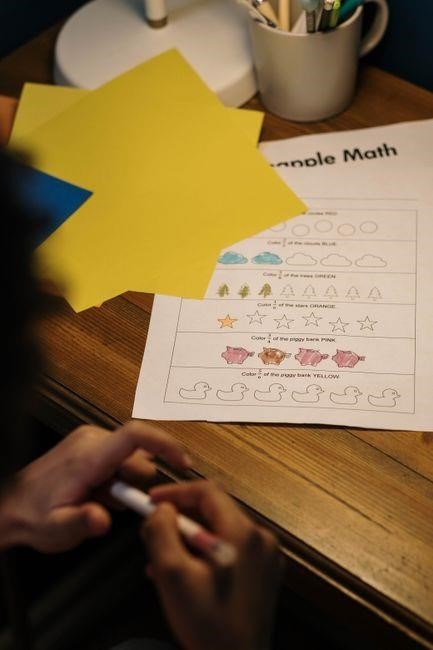
The 3rd‑grade Common Core math framework focuses on building depth in number sense‚ operations‚ fractions‚ and geometry. Students apply multiplication and division strategies‚ compare fractions‚ and solve multi‑step problems‚ emphasizing reasoning‚ communication‚ and evidence‑based solutions. This supports mastery and confidence.!
Core Objectives for Third Grade

In third grade‚ students deepen their understanding of number sense‚ place value‚ and operations with whole numbers up to 1‚000. They master multiplication and division facts‚ apply strategies for multi‑step problems‚ and develop fluency in adding and subtracting with regrouping; Fraction concepts expand to include equivalent fractions‚ comparing sizes‚ and adding or subtracting fractions with like denominators. Geometry skills grow as students identify and classify two‑and three‑dimensional shapes‚ analyze symmetry‚ and explore perimeter and area. Measurement units shift from basic to more complex‚ incorporating time‚ length‚ mass‚ and volume with conversions. Data analysis introduces tally charts‚ bar graphs‚ and simple probability. Throughout‚ emphasis on mathematical reasoning‚ communication‚ and evidence‑based explanations ensures students can justify solutions‚ explain strategies‚ and collaborate on problem‑solving tasks. These objectives align with the Common Core’s emphasis on depth‚ precision‚ and real‑world application‚ preparing learners for higher‑grade challenges and fostering a lifelong appreciation for mathematics. By engaging with downloadable PDF worksheets that mirror the Common Core benchmarks‚ students can practice key concepts in a structured format‚ allowing teachers to monitor progress‚ identify misconceptions‚ and tailor instruction to individual needs‚ while parents can support learning at home through guided review sessions that reinforce problem‑solving strategies‚ critical thinking‚ and the application of math to everyday contexts‚ thereby creating a cohesive learning ecosystem that promotes confidence‚ persistence‚ and a deep appreciation for the logical beauty of mathematics.
Key Mathematical Domains Covered
Third‑grade students explore a breadth of mathematical domains that collectively build a robust foundation for higher‑level reasoning. The curriculum emphasizes place value and operations with whole numbers up to one thousand‚ requiring mastery of regrouping‚ multiplication‚ and division strategies that support fluency and problem‑solving. Fraction concepts expand to include equivalent fractions‚ comparing sizes‚ and adding or subtracting fractions with like denominators‚ encouraging students to visualize relationships and apply algebraic thinking. Geometry instruction moves beyond basic shapes to involve perimeter‚ area‚ and volume calculations‚ as well as symmetry and spatial reasoning‚ fostering spatial awareness and analytical skills. Measurement units shift from simple to complex‚ incorporating time‚ length‚ mass‚ and volume with appropriate conversions‚ enabling students to translate real‑world scenarios into mathematical language. Data analysis introduces tally charts‚ bar graphs‚ and basic probability‚ teaching students to collect‚ organize‚ and interpret data while making evidence‑based conclusions. Throughout‚ emphasis on mathematical reasoning‚ communication‚ and evidence‑based explanations ensures students can justify solutions‚ explain strategies‚ and collaborate on problem‑solving tasks. These domains align with the Common Core’s emphasis on depth‚ precision‚ and real‑world application‚ preparing learners for higher‑grade challenges and fostering a lifelong appreciation for mathematics. By engaging with downloadable PDF worksheets that mirror the Common Core benchmarks‚ students can practice key concepts in a structured format‚ allowing teachers to monitor progress‚ identify misconceptions‚ and tailor instruction to individual needs‚ while parents can support learning at home through guided review sessions that reinforce problem‑solving strategies‚ critical thinking‚ and the application of math to everyday contexts‚ thereby creating a cohesive learning ecosystem that promotes confidence‚ persistence‚ and a deep appreciation for the logical beauty of mathematics. Also develop strategies for estimating and rounding‚ enhancing intuition daily each.
How PDFs Facilitate Practice
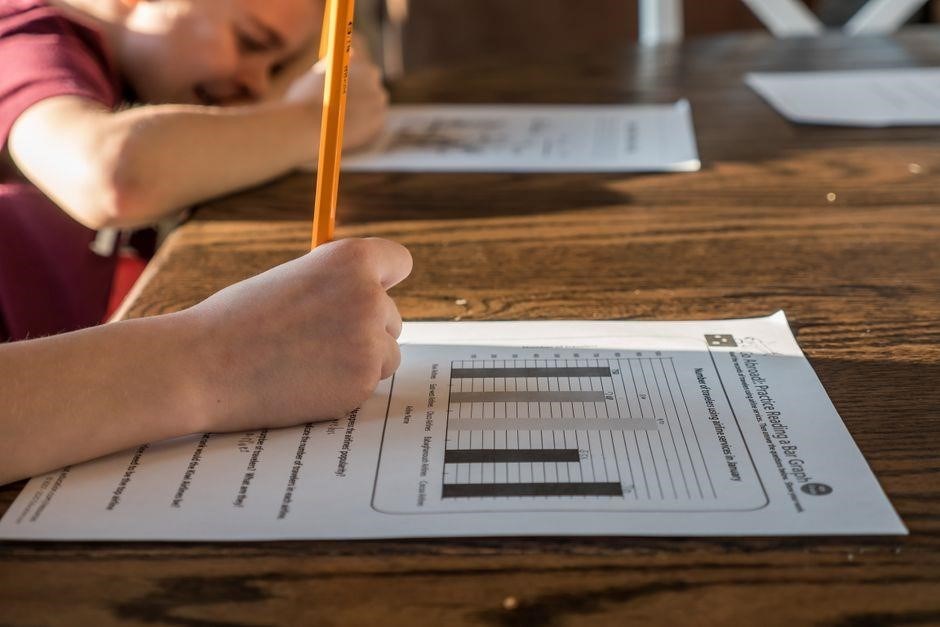

Portable Document Format files serve as a versatile bridge between curriculum objectives and hands‑on learning; By offering downloadable worksheets that mirror the 3rd‑grade Common Core benchmarks‚ educators can distribute consistent‚ printable materials that students can work on independently or in small groups. PDFs preserve formatting across devices‚ ensuring that diagrams‚ tables‚ and number lines remain clear whether viewed on a tablet‚ laptop‚ or printed sheet. This consistency reduces confusion and allows students to focus on the mathematical concepts rather than on layout issues. Teachers can annotate or highlight sections directly within the PDF‚ adding targeted feedback or step‑by‑step solutions that students can refer back to as they review. Because PDFs are searchable‚ instructors can quickly locate specific problem types or vocabulary terms‚ enabling efficient lesson planning and differentiation. For parents‚ accessible PDFs allow for at‑home practice that aligns with classroom instruction‚ fostering continuity and reinforcing learning outside school hours. The ability to print or save files locally also supports students who may have limited internet access‚ ensuring equitable access to quality practice materials. Finally‚ the integration of PDFs with learning management systems or shared drives streamlines distribution‚ tracking‚ and assessment‚ allowing educators to monitor progress in real time and adjust instruction accordingly. In sum‚ PDFs provide a flexible‚ durable‚ and scalable platform that enhances the delivery‚ accessibility‚ and effectiveness of 3rd‑grade math practice aligned with Common Core standards. PDFs support collaborative learning and group work.

Locating Reliable Practice PDFs
Finding trustworthy 3rd‑grade math PDFs means checking official state sites‚ reputable education portals‚ and vetted libraries. Look for clear alignment with Common Core‚ up‑to‑date content‚ and user reviews. Verify file integrity and download from secure‚ well‑known sources. free access.!!
Official State and District Resources
State education departments routinely publish curriculum guides‚ assessment blueprints‚ and downloadable worksheets that align with the Common Core. These PDFs are often hosted on secure‚ government‑managed portals‚ ensuring authenticity and up‑to‑date revisions. Districts supplement state releases with localized practice sets‚ lesson plans‚ and teacher‑handbook PDFs that reflect regional standards. By accessing the state’s official website‚ educators can download comprehensive‚ grade‑level collections that include problem sets‚ answer keys‚ and instructional rubrics. District portals typically offer a search function that filters by grade‚ topic‚ and skill level‚ allowing teachers to quickly locate targeted practice materials. Many districts also provide interactive PDFs that incorporate fill‑in‑the‑blank fields‚ enabling students to submit digital responses that teachers can grade automatically. Additionally‚ state and district PDFs often come with metadata‚ such as learning objectives‚ standards mapping‚ and recommended instructional strategies‚ which help teachers align practice with lesson plans. When selecting PDFs‚ it is essential to verify that the documents reference the latest Common Core standards and that they are compatible with the school’s technology infrastructure. Teachers should also check for accessibility features‚ such as high‑contrast text and screen‑reader compatibility‚ to support diverse learners. Finally‚ many state and district sites offer a “download all” option‚ allowing educators to acquire a full set of practice PDFs in one batch‚ streamlining preparation and ensuring consistency across classrooms.
Reputable Educational Platforms and Libraries
When searching for 3rd‑grade Common Core practice PDFs‚ educators often turn to well‑established digital libraries and learning platforms that curate vetted resources. Sites such as Khan Academy‚ IXL‚ and Math Playground host interactive lessons‚ but they also offer printable worksheets that align with state standards. Many of these platforms provide downloadable PDFs that include problem sets‚ answer keys‚ and instructional notes‚ allowing teachers to print or distribute electronically. In addition‚ the Common Core State Standards Initiative’s official website hosts a repository of sample worksheets and assessment tools that can be filtered by grade and domain. Libraries such as the National Council of Teachers of Mathematics (NCTM) and the American Mathematics Competitions (AMC) offer free PDF collections that emphasize rigorous practice and problem‑solving strategies. For educators seeking open‑access materials‚ the Open Educational Resources (OER) Commons and the MERLOT database provide a wealth of 3rd‑grade math PDFs that are peer‑reviewed and shareable. When selecting resources‚ it is to verify that the PDFs are up‑to‑date‚ match the current Common Core framework‚ and include learning objectives. Many platforms also supply metadata tags that help teachers quickly locate content aligned to specific standards. Finally‚ educators should consider licensing agreements; free PDFs from reputable sources allow non‑commercial use‚ while premium platforms require a subscription for full access. By leveraging these reputable repositories‚ teachers can assemble a comprehensive‚ standards‑aligned practice library that supports diverse learning styles and assessment needs.
Breaking Down the Standards
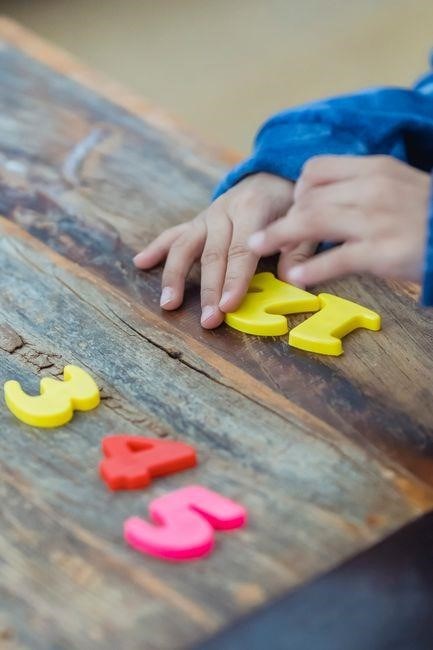
Students dissect core concepts by exploring number sense‚ operations‚ fractions‚ geometry‚ and measurement. Each domain is broken into measurable objectives‚ enabling targeted practice. PDFs provide structured drills‚ real‑world contexts‚ and progress tracking to reinforce mastery and critical thinking; and collaborative problem solving. !!
Numbers & Operations in Base Ten
In third grade‚ students deepen their understanding of place value up to the thousands‚ mastering the value of each digit in a four‑digit number. They compare‚ order‚ and round numbers to the nearest hundred‚ using benchmarks such as 100‚ 200‚ 500‚ and 1‚000. This foundation supports multiplication and division by 10‚ 100‚ and 1‚000‚ and the use of regrouping in multi‑digit operations. Students practice addition and subtraction with regrouping‚ emphasizing the “carry” and “borrow” concepts. They solve word problems that require multi‑step reasoning‚ often involving the use of number lines‚ area models‚ or base‑ten blocks to visualize operations. The Common Core emphasizes the importance of explaining reasoning‚ using mathematical language‚ and justifying solutions with evidence. Key skills include: 1. Recognizing and writing numbers in expanded form‚ 2. Performing addition and subtraction of four‑digit numbers with regrouping‚ 3. Multiplying and dividing by 10‚ 100‚ and 1‚000‚ 4. Estimating sums and differences‚ and 5. Applying place value concepts to solve real‑world problems. PDFs designed for this domain provide drill sheets‚ interactive worksheets‚ and assessment quizzes that align with the standards‚ allowing teachers to track progress and identify misconceptions. By integrating visual manipulatives‚ digital tools‚ and printed practice‚ students develop fluency and confidence in base‑ten operations‚ preparing them for the more complex algebraic thinking that follows in higher grades. PDFs serve as a flexible resource‚ enabling differentiated instruction and self‑paced learning for diverse learners
Fractions‚ Geometry‚ and Measurement
Third‑grade students explore fractions as equal parts of a whole‚ learning to identify and represent fractions using visual models such as pie charts‚ number lines‚ and shaded rectangles. They compare fractions with like denominators‚ recognize equivalent fractions‚ and add or subtract fractions with a common denominator. The curriculum emphasizes the use of unit fractions and simple fractions (e.g.‚ 1/2‚ 1/3‚ 1/4) in real‑world contexts‚ such as sharing pizza slices or dividing a length of ribbon. Students apply the concept of “measure” to determine the length of line segments‚ the perimeter of rectangles‚ and the area of squares and rectangles‚ using formulas such as perimeter = 2(l + w) and area = l × w. Students also learn to convert between metric units like centimeters and meters‚ and customary units like inches and feet‚ using conversion factors to solve problems. They estimate lengths and volumes‚ rounding to the nearest whole number‚ and interpret data in bar graphs and pictographs. The Common Core standards require students to explain reasoning‚ justify solutions‚ and use appropriate mathematical language. PDF practice materials include interactive worksheets that let students drag fraction tiles‚ measure virtual objects‚ and complete geometry quizzes. Students enjoy activities that reinforce concepts.

Maximizing the Use of PDF Practice Materials
Organize PDFs by topic‚ print in color‚ label pages‚ and create a tracking sheet. Use a rubric to assess accuracy‚ speed‚ and reasoning. Rotate practice sets weekly‚ review errors‚ and adjust difficulty. Encourage students to reflect on strategies and set goals. Use digital tools to track progress. Keep a log of completed sets. Daily
Organizing‚ Printing‚ and Tracking Progress
Organizing‚ printing‚ and tracking progress with 3rd‑grade Common Core PDFs is a three‑step process that keeps learning focused. First‚ sort PDFs by domain—operations‚ fractions‚ geometry‚ measurement‚ data‚ number sense—and place each file in a color‑coded folder or cloud subfolder. Add a brief tag in the file name‚ e.g;‚ “3rd‑Grade_Fractions_Unit1.pdf‚” so you can locate it instantly. Second‚ print worksheets strategically: use high‑resolution settings for clarity‚ double‑sided printing to save paper‚ and ensure each page has a header listing the domain‚ skill‚ and the specific standard. Third‚ track progress with a simple spreadsheet or printable tracker. Columns can include Student Name‚ Date‚ PDF Title‚ Completed (✓/✗)‚ Score‚ Time Taken‚ and Comments. After each session‚ record the student’s score and note any misconceptions or errors. Review the data weekly to spot trends‚ adjust pacing‚ and provide targeted feedback. Add a reflection column where students write a one‑sentence note on what strategy worked best and what they found challenging. Store these reflections in a shared folder for future reference. Finally‚ schedule regular progress‑review meetings—monthly or bi‑monthly—to analyze aggregated data‚ celebrate improvements‚ and set new goals. By following this structured routine‚ you transform a simple PDF resource into a dynamic‚ data‑driven learning tool that supports mastery of 3rd‑grade math standards. Teachers can also integrate PDFs into a flipped classroom model‚ letting students practice at home and use class time for collaborative problem‑solving‚ and parents can download the same PDFs to reinforce learning at home‚ creating a consistent math environment across school and home settings. Students who master these skills will find confidence when tackling topics like fractions multiplication or geometry proofs‚ laying a solid foundation for future math success.