gateways to art 4th edition pdf free
Gateways to Art‚ 4th edition‚ by DeWitte‚ Shields‚ and Larmann‚ is a leading textbook for introductory art history courses.
It emphasizes visual analysis and understanding the elements of art‚ offering a comprehensive overview of artistic traditions.
Students benefit from its clear explanations and abundant illustrations‚ making art history accessible and engaging.
Overview of the Textbook
Gateways to Art‚ in its fourth edition‚ serves as a foundational resource for students embarking on their art history journey. This textbook‚ authored by Debra J. DeWitte‚ M. Kathryn Shields‚ and Ralph M. Larmann‚ meticulously guides learners through the vast landscape of visual arts‚ from ancient civilizations to contemporary expressions.
The core strength of Gateways to Art lies in its commitment to developing visual literacy. It doesn’t merely present a chronology of artworks; instead‚ it equips students with the tools to critically analyze and interpret artistic creations. The textbook achieves this through detailed visual analysis exercises and a focus on understanding the fundamental elements of art – line‚ shape‚ color‚ texture‚ and more.
Furthermore‚ the 4th edition boasts an expanded scope‚ incorporating contemporary art movements and addressing current scholarly perspectives. It’s designed to support Art 100 and similar introductory courses‚ fostering critical thinking and a deeper appreciation for the world of art.
Authors and Their Expertise: DeWitte‚ Shields‚ and Larmann
Debra J. DeWitte‚ affiliated with the University of Texas at Arlington‚ brings extensive expertise in art history and visual studies to Gateways to Art. M. Kathryn Shields‚ an Assistant Professor of Art History at Guilford College‚ North Carolina‚ contributes a specialized understanding of art historical methodologies and pedagogical approaches.
Completing the authorial team is Ralph M. Larmann from the University of Evansville‚ whose research focuses on art and its cultural contexts. Their combined academic backgrounds ensure a well-rounded and insightful presentation of art historical material.
This collaborative effort results in a textbook that is both scholarly rigorous and accessible to students. Each author’s unique perspective enriches the content‚ providing a comprehensive and nuanced exploration of the visual arts throughout history.
Finding the Gateways to Art 4th Edition PDF
Locating a free PDF of Gateways to Art‚ 4th edition‚ often involves exploring online platforms like Reddit’s r/BackAlleyBookstore‚ but consider legality.
Legality and Ethical Considerations of PDF Downloads
Downloading a PDF of Gateways to Art‚ 4th edition‚ without proper authorization raises significant legal and ethical concerns. Copyright law protects the authors and publisher‚ W. W. Norton & Company‚ granting them exclusive rights to distribute their work.
Unauthorized downloads constitute copyright infringement‚ potentially leading to legal repercussions for the downloader. Ethically‚ accessing the textbook for free when it’s intended to be purchased undermines the creators’ livelihood and the publishing industry’s sustainability.
While platforms like Reddit may offer access‚ these sources often operate in a legal gray area. Supporting authors by purchasing the textbook or utilizing official access methods‚ such as library resources‚ demonstrates respect for intellectual property and fosters a fair academic environment.
Reddit Communities and PDF Sharing (r/BackAlleyBookstore)
Reddit’s r/BackAlleyBookstore is a community where users frequently share links to digital textbooks‚ including requests and offers for Gateways to Art‚ 4th edition PDFs. Discussions reveal users seeking free access for courses like Art 100‚ expressing gratitude for shared resources.
Posts indicate links are sometimes available‚ with users claiming safety‚ though verification is crucial. The subreddit operates outside traditional legal channels‚ relying on user-provided links and community moderation.
While offering potential access‚ participation carries risks – broken links‚ malware‚ and the ethical concerns surrounding copyright infringement are prevalent. Users should exercise extreme caution and understand the potential consequences before downloading from such sources.
Potential Risks Associated with Unofficial PDF Sources
Downloading Gateways to Art 4th edition PDFs from unofficial sources presents significant risks. These files may contain malware‚ viruses‚ or other harmful software that can compromise your device and personal information. The quality of these PDFs can also be poor‚ with missing pages‚ distorted images‚ or unreadable text.
Furthermore‚ accessing copyrighted material illegally is a violation of the law and can result in legal penalties. Supporting unauthorized distribution undermines the authors and publishers who create educational resources.
Always prioritize official channels to ensure a safe‚ legal‚ and high-quality learning experience. Consider the ethical implications and potential consequences before resorting to unofficial downloads.
Key Features of the 4th Edition
Gateways to Art’s 4th edition boasts enhanced visual analysis tools‚ updated content reflecting contemporary art‚ and improved pedagogical support for students’ success.
Enhanced Visual Analysis Tools
Gateways to Art‚ 4th edition‚ significantly strengthens its commitment to developing students’ visual literacy. The textbook provides robust tools for analyzing artworks‚ moving beyond simple descriptions to encourage critical thinking.
These tools include detailed image analysis guides‚ prompting students to consider elements like line‚ shape‚ color‚ texture‚ and composition. The 4th edition incorporates more comparative analyses‚ allowing students to discern stylistic differences and historical connections.
Furthermore‚ the text features updated “Looking Closely” sections‚ offering focused examinations of specific artworks. These sections guide students through a step-by-step process of visual deconstruction‚ fostering a deeper understanding of artistic intent and cultural context. This approach empowers students to confidently interpret and evaluate art independently.
Updated Content Reflecting Contemporary Art
The 4th edition of Gateways to Art expands its coverage of contemporary art‚ acknowledging its vital role in the broader art historical narrative. Recognizing art’s evolution‚ the textbook incorporates new examples from the 21st century‚ showcasing diverse artistic practices and global perspectives.
This update includes discussions of digital art‚ installation art‚ and performance art‚ reflecting the changing landscape of artistic expression; The authors also address contemporary social and political themes explored by artists today.
By integrating these recent developments‚ the textbook ensures students are exposed to the full spectrum of art history‚ fostering a more nuanced and relevant understanding of the field. This broadened scope prepares students for continued engagement with the ever-evolving world of art.
Improved Pedagogical Support for Students
Gateways to Art‚ 4th edition‚ significantly enhances its pedagogical features to support student learning. The textbook incorporates more focused visual analysis exercises‚ guiding students through the process of interpreting artworks effectively.
Key terms are clearly defined and reinforced throughout each chapter‚ aiding comprehension and retention. Updated “Looking Closely” sections provide in-depth examinations of specific artworks‚ modeling critical thinking skills.
Furthermore‚ the 4th edition includes enhanced online resources‚ such as interactive timelines and practice quizzes‚ to supplement classroom instruction. These improvements aim to create a more engaging and effective learning experience for students of all levels.
Content Covered in Gateways to Art
Gateways to Art explores diverse periods and styles‚ from Ancient Egyptian architecture like pyramids‚ to contemporary art‚ emphasizing visual elements and artistic techniques.
Ancient Egyptian Art and Architecture (Pyramids)
Gateways to Art dedicates significant attention to Ancient Egyptian art and architecture‚ notably the iconic pyramids. The textbook explores the pyramids not merely as tombs‚ but as complex religious and political statements reflecting the pharaoh’s power and beliefs about the afterlife.
Students learn about the construction techniques‚ the symbolic meaning of the pyramid shape‚ and the intricate decorations within these monumental structures. The text details how Egyptian art was deeply intertwined with religious practices and the concept of ma’at – truth‚ balance‚ and justice.
Furthermore‚ it examines the role of art in preserving the pharaoh’s legacy and ensuring their successful transition to the next world‚ providing a comprehensive understanding of this fascinating civilization’s artistic achievements.
Understanding Visual Elements: Line‚ Shape‚ Color‚ Texture
Gateways to Art places strong emphasis on developing students’ visual literacy by thoroughly examining fundamental visual elements. The textbook systematically breaks down how artists utilize line‚ shape‚ color‚ and texture to create meaning and evoke emotional responses.
It explores the different qualities of lines – thick‚ thin‚ curved‚ jagged – and how they can define form or create movement. Similarly‚ it analyzes the impact of various shapes‚ color palettes‚ and textural variations on the overall composition and interpretation of a work of art.
Through detailed examples and analytical exercises‚ students learn to deconstruct artworks and articulate their understanding of how these elements contribute to the artist’s intent.
Exploring Different Art Periods and Styles
Gateways to Art provides a comprehensive journey through art history‚ systematically exploring diverse periods and styles from ancient civilizations to contemporary movements. The textbook meticulously examines the defining characteristics of each era‚ including Ancient Egyptian art and architecture‚ with detailed discussions of iconic structures like the pyramids.
Students gain insights into the historical‚ cultural‚ and social contexts that shaped artistic expression. It analyzes the stylistic evolution across movements‚ highlighting key artists and their contributions.
The 4th edition ensures students develop a broad understanding of art’s global narrative‚ fostering critical thinking and appreciation for artistic diversity.
Accessing the Textbook Through Official Channels
Gateways to Art is readily available through W. W. Norton & Company’s website and Amazon.com‚ offering both physical copies and digital access options.
W. W. Norton & Company Website
W. W. Norton & Company‚ the official publisher of Gateways to Art‚ provides several avenues for students to access the 4th edition. While a completely free PDF download isn’t typically offered directly‚ the website features options for purchasing the e-book version‚ which can be accessed on various devices.
Students can explore bundled options that include access to the digital textbook alongside supplementary learning resources‚ such as interactive study tools and practice quizzes. Norton also frequently offers promotional discounts and trial periods for their digital products.
Furthermore‚ instructors can request examination copies or access to learning management system (LMS) integration tools through the Norton website‚ facilitating seamless course implementation. Checking the official website is the most reliable and ethical way to obtain authorized access to the textbook.
Amazon.com Purchase Options
Amazon.com presents a variety of options for acquiring Gateways to Art‚ 4th edition‚ though a free PDF is not legitimately available through their platform. Students can purchase a physical copy of the textbook‚ often benefiting from competitive pricing and convenient shipping options.
Amazon also lists the e-book version for Kindle and other compatible devices‚ providing immediate digital access. Rental options are frequently available‚ offering a cost-effective solution for short-term use.
Be cautious of third-party sellers offering suspiciously low prices‚ as these may be unauthorized copies or misrepresented products. Always verify the seller’s reputation and ensure the ISBN (9780500845066) matches the official edition before making a purchase.
University Library Resources
University libraries represent a legitimate and ethical avenue for accessing Gateways to Art‚ 4th edition‚ without seeking unauthorized PDF downloads. Most university libraries maintain physical copies of required textbooks‚ including this art history staple‚ available for in-library use or short-term loan.
Increasingly‚ libraries also offer digital access to textbooks through licensed e-book platforms. Students should check their university library’s online catalog and digital resource databases to determine if an electronic version is available;
Interlibrary loan services can also be utilized to request the book from another institution if it’s not held locally. Remember‚ relying on library resources supports academic integrity and avoids the risks associated with illegal PDF downloads.
Comparing Editions: 3rd vs. 4th
The 4th edition features updated content‚ enhanced visual analysis tools‚ and improved pedagogical support compared to the 3rd‚ published in 2012‚ 2015‚ and 2018.
Significant Changes and Additions in the 4th Edition
The fourth edition of Gateways to Art represents a substantial revision‚ incorporating contemporary art and perspectives to broaden student understanding. Key updates include expanded coverage of global artistic traditions beyond the Western canon‚ reflecting a more inclusive art historical narrative.
Furthermore‚ the textbook boasts refined visual analysis tools designed to sharpen critical thinking skills. The authors‚ DeWitte‚ Shields‚ and Larmann‚ have meticulously integrated new examples and case studies‚ ensuring relevance to today’s students.
Pedagogical features have also been enhanced‚ with improved online resources and interactive exercises. ISBNs 9780500841150‚ 9780500841143‚ 9780500841341‚ 0500841152‚ and 9780500845066 identify various formats of this edition.
ISBN Numbers: 9780500841150‚ 9780500841143‚ 9780500841341‚ 0500841152‚ 9780500845066
These ISBNs represent different editions and formats of Gateways to Art: Understanding the Visual Arts. 9780500841150‚ 9780500841143‚ and 9780500841341 are associated with the third edition‚ while 0500841152 is another identifier for that version.
The ISBN 9780500845066 specifically designates the fourth edition‚ authored by Debra J. DeWitte‚ M. Kathryn Shields‚ and Ralph M. Larmann. These unique identifiers are crucial for accurately locating the correct textbook when purchasing or referencing it in academic settings.
Variations in ISBNs often indicate differences in binding (hardcover‚ paperback) or supplemental materials.
Utilizing Gateways to Art for Art History Courses
Gateways to Art effectively supports Art 100 and similar introductory courses‚ fostering critical thinking through detailed art analysis and visual exploration.
Supporting Art 100 and Similar Introductory Classes
Gateways to Art‚ particularly the 4th edition‚ is meticulously designed to serve as a cornerstone resource for foundational Art History courses like Art 100. Its strength lies in its ability to demystify complex artistic concepts‚ presenting them in an accessible and engaging manner for students new to the field.
The textbook’s structure facilitates a chronological and thematic exploration of art history‚ covering diverse periods and styles. It equips instructors with a robust framework for building comprehensive syllabi and delivering effective lectures.
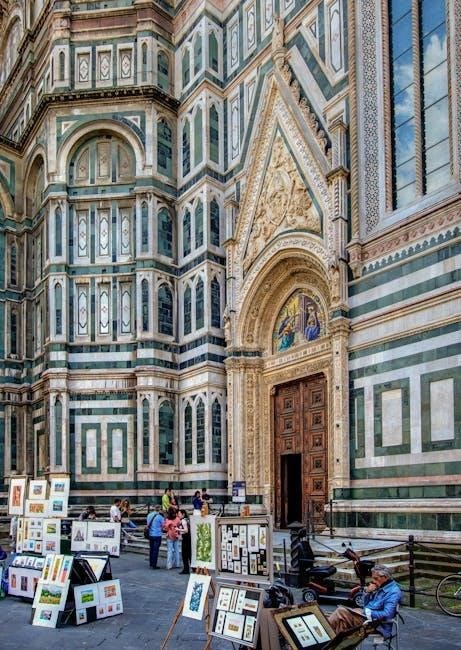
Furthermore‚ the inclusion of numerous high-quality images and visual analysis tools actively encourages students to develop their critical observation skills‚ a crucial component of art historical study. The text’s pedagogical support aids in student comprehension and retention of key concepts.
Developing Critical Thinking Skills Through Art Analysis
Gateways to Art‚ 4th edition‚ actively fosters critical thinking by prioritizing visual analysis as a core learning objective. The textbook doesn’t simply present art historically; it guides students through a process of seeing and interpreting artworks.
Through detailed image analysis and probing questions‚ students learn to deconstruct visual elements – line‚ shape‚ color‚ texture – and understand their contribution to an artwork’s meaning and context.
This analytical approach extends beyond formal qualities‚ encouraging students to consider the cultural‚ historical‚ and social factors that shaped the creation and reception of art.
By engaging with these multifaceted layers‚ students develop the ability to form informed opinions‚ articulate reasoned arguments‚ and appreciate the complexities inherent in artistic expression.